



Blog
Endoscope Reprocessing Consumables: Brushes, Adapters, Detergents, and Drying Supplies – A Sourcing and Inspection Checklist

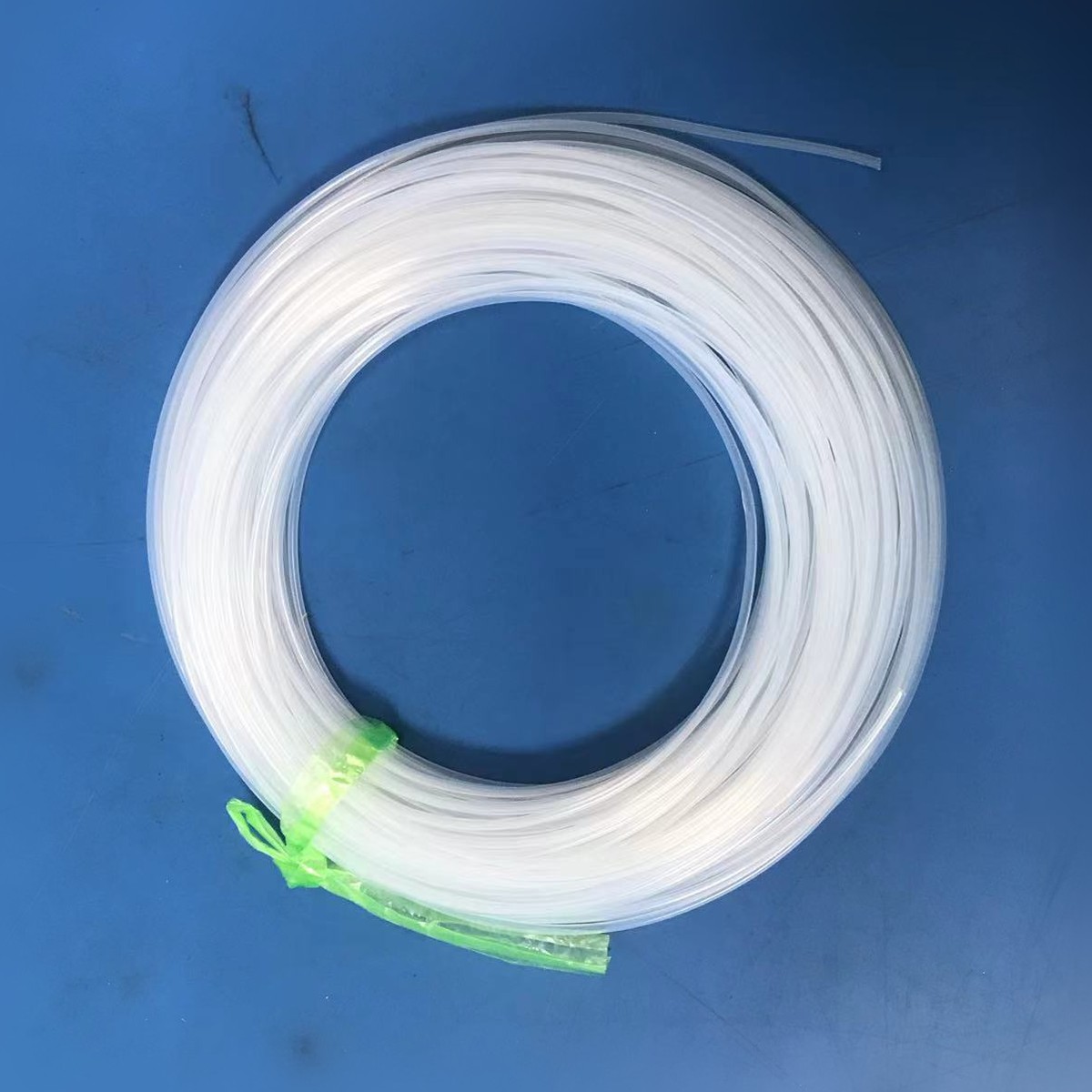
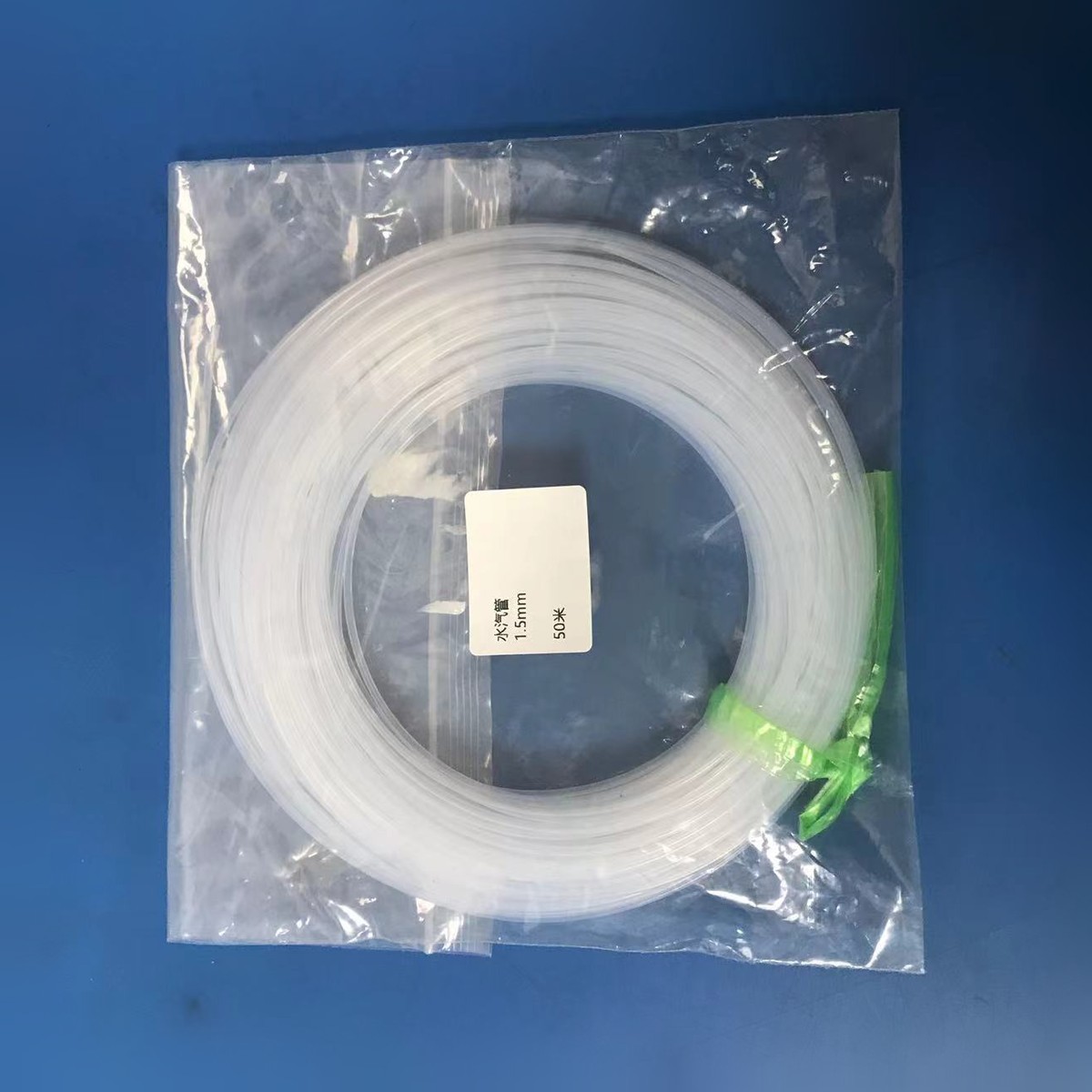
Endoscope reprocessing consumables are not general cleaning supplies bought by the box. A brush that is a fraction too wide scores a working channel, an adaptor that fits loosely leaks during irrigation, and a detergent used at the wrong concentration leaves residue or damages a material the scope manufacturer did not approve. Because these items are consumed every cycle, a sourcing mistake repeats hundreds of times before anyone notices. This article is a purchasing and incoming inspection checklist for hospital reprocessing leads, biomedical engineering teams, and independent service organisations that stock the consumables used to clean, flush, dry, and store flexible endoscopes. It covers the product categories, the variables that must be matched to a specific scope model, the lot records that make a shipment traceable, and the acceptance checks that belong on a goods-in sheet. It is deliberately not a valve repair article — the fault diagnosis for air/water and suction valves is covered in the valve failure guide; here the valve appears only as one consumable line among several.
Map the consumable set to the models and channels in your fleet
The first purchasing error is buying by category instead of by instrument. A gastroscope, a colonoscope, a duodenoscope, and an ultrasound endoscope do not share one set of brush diameters, channel lengths, or irrigation adaptors; a paediatric scope may need a shorter, thinner brush than the adult instrument sitting next to it. Start from the fleet list — model, channel diameter, channel length, valve type, and the processor series it belongs to — and build the consumable matrix from the manufacturer’s instructions for use, not from a supplier’s “universal” claim. The framework behind those instructions is ISO 17664-1:2021, which requires the manufacturer to provide processing information covering the full sequence from initial treatment at the point of use through cleaning, disinfection, drying, inspection and maintenance, packaging, sterilization, storage, and transportation. Each of those steps implies a consumable, and each consumable has a specification that the IFU either states or constrains.
| Consumable category | Selection variables that must be matched | Matched against | Typical replacement or reject trigger |
|---|---|---|---|
| Channel cleaning brushes | Brush head diameter, bristle stiffness, overall length, single- or double-ended, handle fitting | Channel diameter and length for each scope model; valve-port geometry | Bent stem, splayed or missing bristles, head too tight or too loose, visible wear |
| Irrigation and flushing adaptors | Port thread or bayonet, sealing O-ring size, tubing bore, valve compatibility | Scope model and valve set; the specific channel being flushed | Cracked body, swollen or nicked seal, leaking connection under flush |
| Enzymatic and neutral detergents | Formulation, dilution, contact time, temperature range, material compatibility | Manufacturer IFU and the reprocessing chemistry the scope is approved for | Expired lot, incorrect concentration, unapproved substitution, residue after rinse |
| Rinse water and filtration supplies | Water quality, filter rating, final rinse sequence | IFU and the washer or AER programme in use | Out-of-specification water quality, exhausted filter, missed change interval |
| Drying and storage supplies | Lint-free wipes, forced-air arrangement, hangers, storage packaging, caps | IFU drying and storage instructions; storage cabinet design | Damp instrument at pack-out, torn packaging, non-lint-free material |
| Single-use valves and traceability labels | Valve type per model, barcode or lot label, sterile barrier integrity | Scope model and the centre’s single-use policy | Damaged sterile barrier, missing lot label, expired sterility claim |
Notice how many of those variables are dimensions rather than brands. This is why the goods-in check for consumables is a measuring task, not just a count of cartons. It is also why the consumable list belongs next to the flexible endoscope repair parts sourcing guide: the same model-number discipline that prevents a wrong bending section being ordered also prevents a wrong brush being issued to a reprocessing room.
Brushes and channel adaptors: sizing that actually matches
A channel brush has one job — contact the full internal surface without abrading it — and both failure modes are costly. A brush head that is too small leaves the channel wall untouched; one that is too large or too stiff can score the polymer liner, and a roughened liner retains soil and resists subsequent cleaning. The published endoscopy literature on working-channel damage supports the general point that surface condition matters for contamination and instrument life, which is why a brush is a controlled consumable with a replacement rule rather than a tool that is used until it looks tired. Bristle loss is a reject condition on its own: a shed bristle left in a channel is a foreign body, not a cleaning aid.
Adaptors deserve the same attention. A flushing connector that fits loosely pressurises the wrong space, leaks onto the bench, and can drive fluid into a port that was meant to stay dry. Check the sealing face, the O-ring size, and the thread or bayonet against the actual valve set on the scope, then trial-fit the adaptor on a decommissioned or test instrument before it enters the reprocessing room. Keep one labelled reference adaptor per model family so a new shipment can be compared against a known-good part in seconds. Where the adaptor uses replaceable seals, those seals are consumables too: buy them by dimension, store them by lot, and reject swollen or nicked ones on incoming inspection.
Detergents and chemistry: the IFU is the specification
Chemical consumables are where a purchasing shortcut becomes a compliance problem. Concentration, contact time, temperature, and rinse sequence are not interchangeable between products, and a detergent that is compatible with one scope’s materials may not be approved for another. ANSI/AAMI ST91:2021 governs the processing of flexible and semi-rigid endoscopes in the United States, and the washer-disinfector side is addressed by ISO 15883-4:2018 for thermolabile endoscopes. Both sit downstream of the manufacturer’s IFU: the IFU says what the instrument tolerates, and the standard says how the process should be run and verified. Buying a cheaper enzymatic cleaner without confirming that it is approved for the scope models in the fleet reverses that order.
In practical terms, the purchase order should name the product, the approved dilution and contact conditions, the compatible scope models, and the documentation required per lot. The goods-in sheet should record the lot number and expiry, and the reprocessing room should have a controlled way of preparing the dilution — a measured dispenser rather than a free pour — because a concentration error is invisible until residues or material damage appear. The FDA guidance on reprocessing reusable medical devices is a useful reference for why the whole cycle, including the chemistry and the rinse, has to be treated as one validated process rather than a set of independent purchases.
Drying, storage, and single-use items
Drying is a step with its own consumables, and it is frequently under-specified. Lint-free wipes, forced-air arrangements, hanging or storage hardware, protective caps, and storage packaging all have to be compatible with the IFU and with the storage cabinet in use. A scope packed away damp, or stored in a container that re-introduces contamination, undoes the cleaning that preceded it. ISO 17664-1 lists drying, inspection and maintenance, packaging, storage, and transportation as explicit stages, which is a useful prompt to stock for each of them rather than only for the wash phase.
The case for treating some items as single-use is evidence-based rather than marketing. In the 11-centre Italian study by Pasquale and colleagues (2021), reusable air/water and suction valves showed microbiological contamination in 29.06% of samples after routine reprocessing, while single-use valves showed none (P=0.007); the authors noted that correct manual cleaning and disinfection of a valve can require more than 30 steps. Across 1,121 endoscopies, efficacy was similar between the two valve types, so the difference lay in cleanliness rather than function. The same study found contamination in 35.58% of valves processed by manual cleaning plus an automated endoscope reprocessor, versus 5.56% for manual cleaning with ultrasound plus an automated reprocessor and steam autoclave (Fisher’s exact test P=0.009). A separate investigation linked persistent P. aeruginosa contamination to cracked and torn air/water valves that sheltered biofilm until the damaged parts were replaced and cleaning intensified (PubMed 39059770). For a purchasing lead, the lesson is concrete: a consumable that has cracked, worn, or lost its sealing surface is a reject condition, and the inspection step is where that is caught.
Incoming inspection and lot traceability
Consumables arrive as batches, and a batch is the unit of traceability. Under ISO 13485:2016, whose scope covers servicing, the records that identify purchased product and its acceptance are part of the quality system; a workshop or reprocessing unit that cannot say which brush lot or detergent lot was in use on a given date cannot investigate a cluster of contaminated or damaged scopes. The checks below are deliberately simple — most take a minute — and are meant to be performed on every delivery, with the result filed against the purchase order.
| Incoming check | What to verify | Record to file | Reject condition |
|---|---|---|---|
| Identity and model match | Product code, size marking, and intended scope model family | Goods-in line against the approved consumables matrix | Unapproved substitute or unlabelled size |
| Lot, expiry, and documentation | Lot number, expiry date, certificate or data sheet, sterile barrier where applicable | Supplier, lot, expiry, date received, quantity | Expired, untraceable, or undocumented lot |
| Packaging integrity | Sealed carton and, for sterile items, intact barrier and labelling | Signed inspection note or photograph | Damaged, wet, opened, or punctured packaging |
| Dimensional spot check | Measure brush head, tubing bore, and seal sizes on a sample against the drawing | Measured values and the instrument used to measure them | Out-of-tolerance dimension |
| Trial fit on a reference instrument | Fit adaptor, valve, or brush to the labelled reference scope or test block | Pass or fail with the reference part ID | Loose, forced, or leaking fit |
| Visual condition | Bristles, sealing faces, moulding flash, discolouration, residue | Note with sample retained if rejected | Shed bristles, nicked seal, cracked body, visible residue |
| Storage conditions | Temperature, humidity, and segregation from incompatible chemicals | Storage log with excursions noted | Storage outside the stated range without assessment |
Keeping one accepted sample from each lot — a brush, a labelled adaptor, a short length of tubing — turns the goods-in record into physical evidence. If a reprocessing problem appears three weeks later, the retained sample can be measured and compared against the complaint without waiting for a supplier investigation. This is the same discipline applied to repair parts and to the repair tools used on the bench: a labelled reference part and a measured sample settle most disputes immediately.
A reorder checklist that a workshop can actually run
The final step is to turn the matrix into a replenishment routine with clear triggers. Consumables fail in two ways: they run out, or they quietly degrade in storage. A reorder sheet therefore needs both a stock trigger and an inspection trigger, and it should be owned by a named person rather than by whoever happens to open the last box.
| Consumable line | Reorder trigger | Inspection at receipt | Record owner |
|---|---|---|---|
| Channel brushes by model family | Par level based on daily procedure volume plus a reserve for the supplier lead time | Diameter, length, bristle condition, lot and expiry | Reprocessing lead |
| Irrigation and flushing adaptors | Spare per model family plus replacement seals held separately | Trial fit on reference scope, seal condition, tubing bore | BMET workshop |
| Detergent and enzymatic chemistry | Consumption rate with a use-by buffer that keeps expiry ahead of use | Lot, certificate, concentration control, material compatibility | Reprocessing lead |
| Rinse water and filtration supplies | Scheduled change interval, not wait-for-failure | Water quality result, filter rating, change date | Facilities or reprocessing lead |
| Drying and storage supplies | Par level aligned with cabinet capacity and pack-out volume | Lint-free property, packaging integrity, dryness at pack-out | Reprocessing lead |
| Single-use valves and labels | Procedure volume with a sterile-barrier integrity check on arrival | Barrier, lot label, sterility claim, model match | Stores or reprocessing lead |
When you request a quotation, send the fleet list, the channel diameters and lengths, the valve types, and the reprocessing chemistry already approved for those models. Ask the supplier for dimensional data, lot documentation, expiry dating, and a statement of which models each item is intended for. CareUTech stocks flexible endoscope repair parts, repair tools, and tubing and sealing consumables, and runs hands-on repair training in which model-specific part matching and incoming inspection are taught as bench skills; send the scope models, channel sizes, and current detergent in use so the quoted items can be matched to the actual fleet. For the fault diagnosis of the valves themselves, refer to the valve failure guide, and for the wider parts-purchasing framework to the flexible endoscope repair parts sourcing guide.